

Table of Contents
- Understanding Italian Summer Climate and Dress Culture
- Choosing the Right Fabrics for Heat and Humidity
- Modest Clothing for Historic Sites and Churches
- Comfortable Footwear for Cobblestone Streets
- What to Wear to Dinner in Italy
- Building a Versatile Color Palette and Layering Strategy
- Day-to-Night Transitions and Effortless Style
- Frequently Asked Questions
Last Updated: October 2, 2026
Understanding Italian Summer Climate and Dress Culture
An Italian summer is a sensory experience, long lunches that stretch into evening, the smell of sunscreen and salt air, gelato that melts faster than you can eat it. But knowing how to dress for Italian summers is also a lesson in culture and practicality. The heat is real. The humidity near the coast can be relentless. The cobblestone streets are unforgiving on the feet. And there are centuries of tradition around what you wear to dinner, what you wear to church, how you present yourself in a piazza.

It's about fitting into a culture that takes appearance seriously, not in a fussy way, but in a way that says you respect the place and the people in it. Italians don't dress for comfort alone. They dress for the occasion, the time of day, the setting. A linen shirt at lunch becomes something different at dinner. A sundress works on the beach but not in a cathedral.
This guide from Prime Tee Supply breaks down the practical choices that will keep you comfortable and appropriately dressed, feeling like you belong in Italian towns and cities. We've focused on what actually works in the heat, humidity, and social expectations of an Italian summer, not generic advice, but the specific decisions that experienced travelers make.
Choosing the Right Fabrics for Heat and Humidity
The fabric you choose matters more than the cut. In an Italian summer, breathable fabrics are essential. Linen and cotton are the workhorses of warm-weather travel.
Linen is the gold standard. It's looser-weave, it wrinkles (which Italians don't mind, they see it as lived-in elegance), and it dries quickly if you rinse it out in a sink.
Cotton is more forgiving. Ring-spun cotton, which is twisted more tightly than standard cotton, feels softer and holds up better to repeated washing and wearing.
Blends can work too, but read the label. A cotton-linen blend gives you some of linen's breathability with more wrinkle resistance.
The weight of the fabric matters as much as the fiber.
Modest Clothing for Historic Sites and Churches
Italy's historic sites and churches have dress codes, and they're enforced. You'll be turned away if your shoulders are bare, if your knees are exposed, or if your clothing is too revealing.

Shoulders must be covered. This means no sleeveless dresses, no tank tops, no spaghetti straps. A short-sleeved shirt, a t-shirt, or a dress with sleeves will work.
Knees should be covered. Shorts, short skirts, and above-the-knee dresses won't pass. Midi-length dresses, long pants, and knee-length skirts are safe.
Avoid transparent or clingy fabrics at sacred sites. If you can see skin through the fabric, it's too revealing. This rules out very thin, unlined materials.
The practical approach: wear modest clothing as your default in towns with significant historic or religious sites. It's easier than carrying cover-ups and worrying about dress codes. A midi dress with short sleeves, lightweight linen pants, or a knee-length skirt paired with a breathable tee checks all the boxes.
Many travelers carry a lightweight scarf, linen or cotton, that works as a shawl for churches or a sun shield.
Comfortable Footwear for Cobblestone Streets
They're uneven and hard, and will punish your feet if you wear the wrong shoes. Flip-flops and thin-soled sandals are a mistake. Heels are a nightmare.
Sneakers are the practical choice. A simple white or neutral leather sneaker works for daytime and can even pass at casual dinners. Look for something with cushioning and arch support.
Flat sandals with a strap work if they have a thick sole and good arch support.
Comfortable walking shoes in neutral colors blend in and work for almost any setting except formal dinners.
Avoid:
- Flip-flops (no ankle support, you'll slip)
- Very thin soles (cobblestones feel like hammers)
- New shoes you haven't broken in (blisters are a vacation killer)
- Heels of any height (they catch between stones)
Most experienced travelers in Italy wear sneakers or supportive walking shoes during the day, then change into something dressier for dinner if needed. Italians prioritize comfort and practicality when it comes to footwear.
What to Wear to Dinner in Italy
It's later than you're used to (8 or 9 p.m. is normal) and it's longer, making it an occasion.
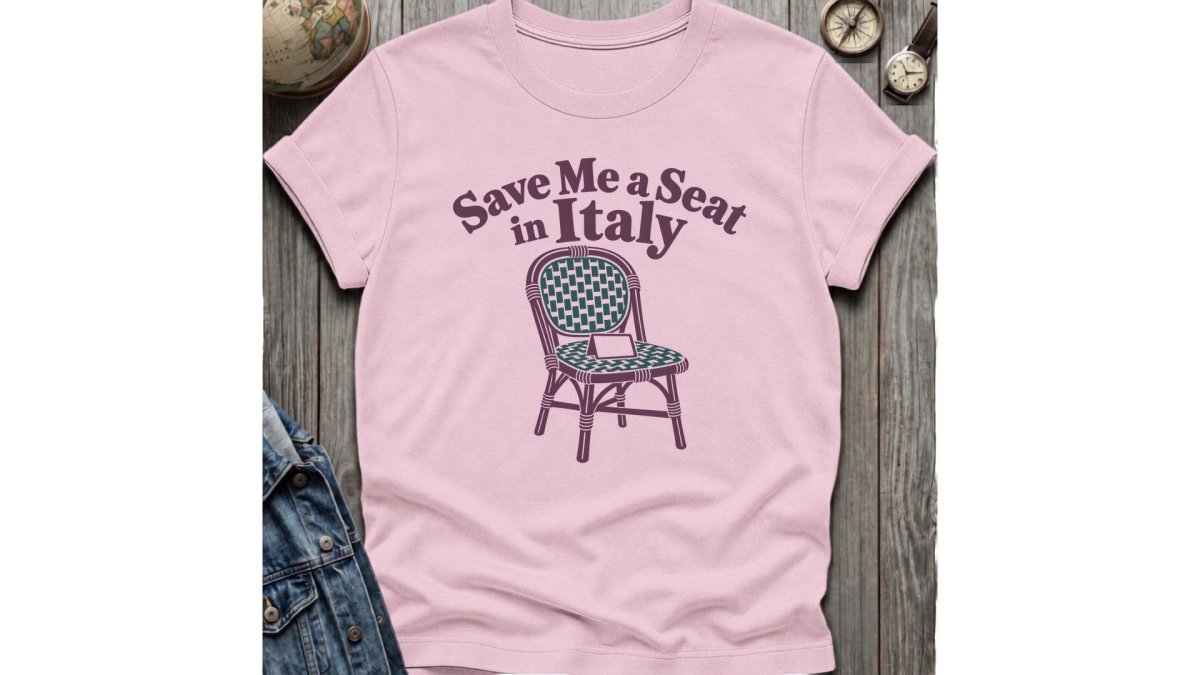
Smart-casual is the baseline for most restaurants. This means no athletic wear, no beachwear, no visibly wrinkled or stained clothing. Neutral tones, cream, tan, navy, black, white, are safer than bright colors or busy patterns.

For women: A midi dress, linen pants with a blouse, or a knee-length skirt with a tucked-in shirt.
For men: Linen pants or chinos with a short-sleeved button-up shirt. Sleeves matter; t-shirts are too casual for dinner, even nice ones. Neutral colors work best.
Shoes should be clean and intentional. Sneakers are pushing it at nicer restaurants, though casual spots are more forgiving. A simple flat sandal, a loafer, or a dressy sneaker works better.
The unspoken rule: you're dressing to show respect for the restaurant and the meal, not to stand out. Italians dress well for dinner, but they dress simply.
Building a Versatile Color Palette and Layering Strategy
Mornings are cool. Evenings drop in temperature. Churches and restaurants have aggressive air conditioning. You need layers, but they need to be light.
Neutral tones are your foundation. Cream, white, tan, navy, black, and soft gray. These colors don't show sweat, combine easily, and read as intentional rather than casual.
One or two accent colors add interest without complicating your choices. A soft terracotta, olive green, or dusty blue works with most neutrals.
Layering pieces are essential:
- A lightweight linen shirt you can wear open over a tee
- A thin cotton cardigan
- A linen scarf that works as a shawl, sun shield, or shoulder cover
- A lightweight jacket for dinner or air-conditioned spaces
The strategy: wear a breathable tee or simple top as your base. Add a layer you can remove and tie around your waist or carry. This solves the temperature swings without adding bulk.
A quality tee in a neutral tone, like the Italian Summer T-Shirt from Prime Tee Supply in cream or soft colors, becomes the foundation you build around.
Day-to-Night Transitions and Effortless Style
You're not trying hard. You're not following a trend. You're simply wearing clothes that fit well and look intentional.
The day look: A breathable tee, linen pants or a midi skirt, comfortable walking shoes, sunglasses, a hat for sun protection. You're dressed for practicality and comfort.
The pieces don't change dramatically. You're refining, not transforming.
Practical transitions:
- Wear a neutral tee during the day. Change into a white or cream linen shirt for dinner (worn tucked in or with the sleeves rolled).
- Wear the same linen pants all day. Add a nicer top and a light jacket for evening.
- Wear a midi dress during the day with sneakers and a sun hat. Change shoes and remove the hat for dinner.
The key is choosing pieces that work in multiple contexts. A well-fitting linen shirt works for daytime, layered over a tee. It also works for dinner, worn tucked in or with the sleeves rolled. A neutral midi dress works at lunch and at dinner, just change your shoes and add a layer.
Italians call this sprezzatura, the art of making something look effortless even though it's carefully considered. You're not trying to look perfect.
Experienced travelers build outfits around 3-4 core pieces in neutral colors that mix and match. A tee, a shirt, a pair of pants, a dress.
Dressing for an Italian summer is about understanding the culture, respecting the climate, and choosing fabrics and cuts that work in real conditions.
Frequently Asked Questions
How do locals typically dress during the summer months in Italy?
Italians prioritize comfort and elegance in summer, favoring lightweight linen, cotton, and breathable fabrics in neutral tones and soft colors. You'll notice locals wearing loose-fitting dresses, open-collar shirts, and tailored shorts paired with quality sandals or sneakers. The key is effortless style, clothing that looks intentional but feels easy. Italians also layer strategically with lightweight cardigans or linen jackets for cooler evenings and air-conditioned spaces. Accessories like sunglasses and hats are both practical and part of the aesthetic.
What fabrics work best for dressing comfortably in Italian summer heat?
Linen and cotton are your best choices for Italian summers. Linen breathes exceptionally well and becomes softer with washing, making it ideal for high heat and humidity. Ring-spun cotton, like the 100% cotton used in quality travel tees, offers durability and breathability without the wrinkles of standard linen. Look for lightweight fabrics with lower weights (around 4.5 ounces) that feel easy all day. Avoid heavy synthetics that trap heat and moisture; instead, choose natural fibers that allow air circulation.
Can I wear the same outfit for both daytime sightseeing and evening dinner?
Absolutely. The art of day-to-night dressing in Italy is about strategic layering and accessories. A simple midi dress or tailored linen shirt works for both a morning market visit and an evening aperitivo. Add a lightweight cardigan or linen jacket for dinner warmth, switch your daytime sneakers to dressy sandals, and adjust your jewelry or scarf. A quality graphic tee in neutral tones pairs beautifully with tailored shorts for the day and becomes elegant when layered under a linen blazer at night. This approach keeps your wardrobe versatile while maintaining that effortless Italian aesthetic.
What should I wear when visiting churches and historic religious sites?
Most churches and cathedrals in Italy require modest attire: shoulders must be covered, and knees should be covered or nearly covered. A lightweight cardigan or linen shirt over a sundress works perfectly, or choose a midi dress or maxi dress from the start. Avoid sleeveless tops and very short shorts. A lightweight scarf can cover shoulders if needed. Many travelers appreciate having a breathable layer specifically for this purpose, it keeps you cool while respecting the sacred space. Neutral colors and simple designs are always appropriate and help you blend in with other respectful visitors.